Brand Ambassador of GST — Overview
GST (Goods and Services Tax) is a rare example of a government policy/tax reform — not a commercial product — having formally appointed celebrity brand ambassadors. This reflects how the Indian government treated GST’s 2017 rollout as a major public-communication challenge requiring mass-market persuasion, not just a legal/administrative change.
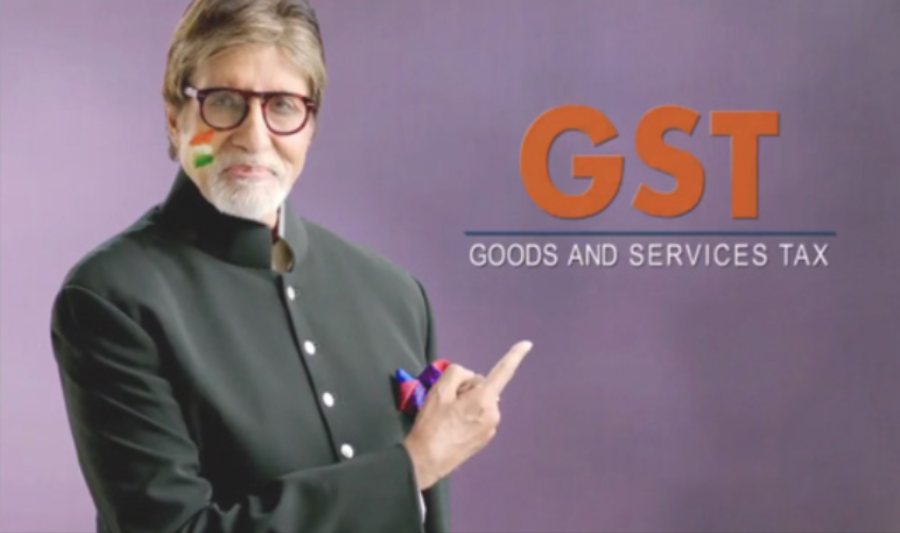
The Central Board of Excise and Customs (CBEC) appointed Bollywood megastar Amitabh Bachchan as the brand ambassador for GST, roped in specifically to build awareness ahead of the reform, which was dubbed the biggest tax reform in the country’s history. A 40-second video titled “GST – An initiative to create a unified national market” was shot featuring him and circulated by the Finance Ministry, in which Bachchan explained GST as a unifying force, comparing it to the three colours of the national flag. The campaign’s tagline was “GST: One Nation – One Tax – One Market.”
Importantly, Bachchan wasn’t the first: badminton star PV Sindhu had earlier served as GST’s brand ambassador before Bachchan was brought in. Sindhu’s ad campaign featured her explaining GST adoption, though it drew some criticism for being less compelling than Bachchan’s later effort.
Brand Ambassador — Key Facts
| Detail | Information |
|---|---|
| First ambassador | PV Sindhu, Olympic silver medallist in badminton |
| Second/main ambassador | Amitabh Bachchan, appointed by CBEC, June 2017 |
| Appointing body | Central Board of Excise and Customs (CBEC) |
| Campaign material | 40-second video, “GST – An initiative to create a unified national market” |
| Campaign tagline | “GST: One Nation – One Tax – One Market” |
| GST rollout date | July 1, 2017 |
| Finance Minister at rollout | Arun Jaitley, who headed the GST Council that finalized tax slabs |
GST’s Historical Significance and Communication Challenge
GST’s ambassador program reflects the unusual scale of the communication problem the government faced:
- What GST replaced: GST simplified a complex web of taxes, regulations, and border levies by subsuming multiple central and state levies, including excise duty, service tax, and VAT.
- Why celebrities were used at all: Commentary at the time questioned whether celebrity advertising — normally suited to impulsive consumer purchases — was appropriate for something as complex and structurally transformative as a nationwide tax reform, since ordinary citizens (and especially traders who’d actually implement it) might respond better to credible business figures than film stars. One columnist even suggested businessman Mukesh Ambani might have been a more fitting choice than another Bollywood star.
- Political controversy: Ahead of the July 1 rollout, the Congress party publicly asked Bachchan to withdraw as GST’s brand ambassador, with Congress leader Sanjay Nirupam alleging the government was using Bachchan as a “fall guy” to absorb public criticism because the government wasn’t actually ready to implement GST properly. This shows the ambassador role became entangled in the broader political debate over GST’s rollout readiness.
- Ambassador switch signals course correction: The shift from Sindhu to Bachchan suggests the government felt a louder, more authoritative voice (Bachchan’s “baritone,” as one commentator put it) was needed to properly convey the seriousness and scale of the reform.
This case is notably different from consumer-brand ambassadorships (Nykaa, Puma, boAt, etc.) covered earlier — the “product” being sold here was public trust and compliance with a mandatory government policy, not a purchase decision, making the choice of ambassador a matter of political debate rather than pure marketing strategy.
FAQ
Q: Who is the brand ambassador of GST?
A: Amitabh Bachchan is the most well-known GST brand ambassador, appointed by the CBEC in June 2017. PV Sindhu served as an earlier ambassador before him.
Q: Why did the government need a brand ambassador for a tax?
A: GST was a massive, unprecedented restructuring of India’s indirect tax system, and the government wanted to build public awareness and reduce confusion/resistance ahead of its July 2017 rollout — using celebrity familiarity to communicate a complex policy change.
Q: Was there criticism of using Amitabh Bachchan for this role?
A: Yes — opposition party Congress publicly called on him to withdraw, alleging the government was using his stature to deflect criticism for a rushed rollout.
Q: Is GST’s brand ambassador role still active today (2026)?
A: Search results don’t show a currently active, newly appointed GST brand ambassador — the ambassador campaigns were specifically tied to building 2017 rollout awareness rather than an ongoing role, unlike consumer brand ambassadorships that continue indefinitely.
Q: Is this the only example of a government policy having a celebrity brand ambassador in India?
A: No — India has a broader pattern of this (e.g., polio vaccination campaigns also used Amitabh Bachchan, as referenced in the commentary above), though GST stands out as a rare case of a tax reform specifically getting one.
Q: What was the GST rollout date and who led the GST Council then?
A: GST rolled out on July 1, 2017, with the GST Council headed by then-Finance Minister Arun Jaitley finalizing the applicable tax slabs.