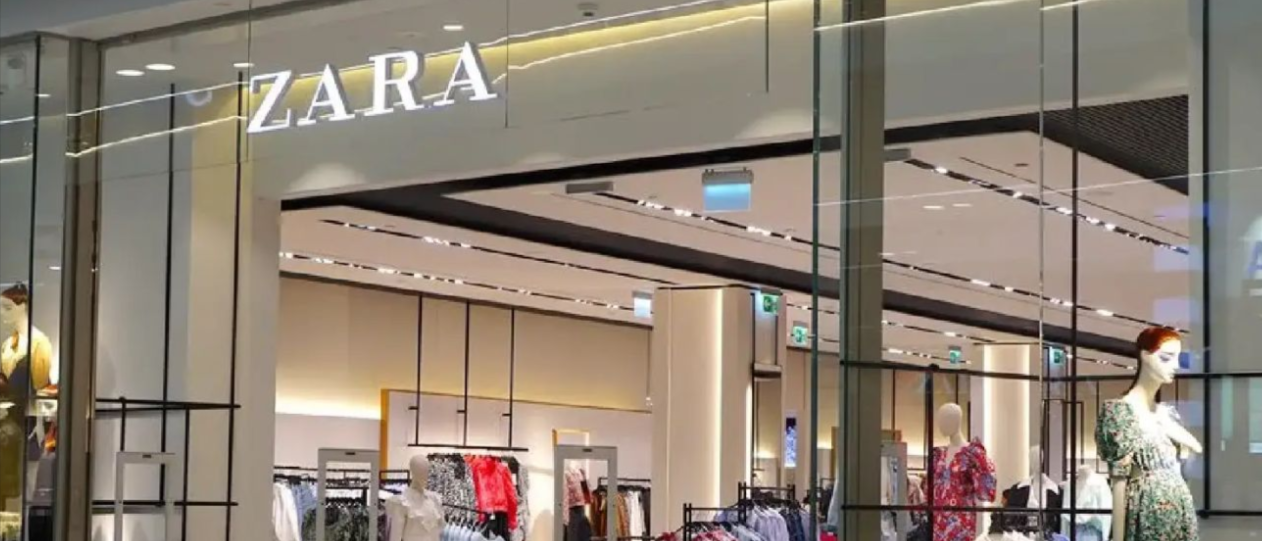
No – Zara is not an Indian brand. It’s a Spanish fast-fashion label, owned by the Spanish conglomerate Inditex, and operates in India through a joint venture with Tata’s Trent Limited — but the brand, design, and control originate entirely from Spain.
Overview
Zara is a fast-fashion clothing brand offering apparel, footwear, bags, jewelry, and beauty products for men, women, and children. Globally it’s the flagship and largest brand of Inditex, one of the world’s biggest fashion retailers, with over 2,000 stores across nearly 100 countries. In India, it’s positioned as a premium, high-end brand — a contrast to its “affordable fast fashion” identity in most other markets.
Origin
Zara was founded in Spain in 1975 by Amancio Ortega. It was originally going to be called “Zorba” (after the 1964 film Zorba the Greek), but was renamed Zara because a nearby bar already used that name. By 1985, the company had built a distribution system designed to minimize the time between design and store shelf — the “instant fashion” model Zara is now famous for.
Zara entered India in 2010, through a joint venture called Inditex Trent Retail India Private Limited (ITRIPL) — a partnership between Inditex and Tata’s Trent Limited (the same company behind Westside and Zudio). The first Indian store opened on May 28, 2010, at Select City Walk mall in Saket, New Delhi. Initially Inditex held 51% and Trent held 49% of the JV.
Growth
- Zara’s India business grew from 4 stores in FY2011 to about 21–23 stores by the mid-2020s across major Indian cities.
- It crossed ₹500 crore in sales in FY2014 and ₹1,000 crore in FY2017, with FY2019 turnover of ₹1,437.87 crore.
- The pandemic hit hard: FY2020–21 revenue fell 28.3% to ₹1,126 crore, with a ₹41 crore loss.
- Over time, Inditex has steadily bought out Trent’s stake. In 2024, Inditex increased its ITRIPL shareholding to 65%. As of late 2025, Inditex was raising its stake further, to around 80%, following a similar move on its Massimo Dutti India JV (also raised to 80%). Trent itself has described its Zara investment as a purely “financial” holding rather than a long-term strategic one, since brand control and merchandise decisions rest entirely with Inditex.
- Inditex has also been expanding its India footprint beyond Zara — launching Bershka (2025, wholly Inditex-owned) and Zara Home as separate, 100%-owned Indian subsidiaries, and adding Zara to Myntra to reach a larger online audience.
Future Plans
- Inditex appears to be moving toward greater direct control in India — raising its ITRIPL stake toward 80%, with a call option reportedly in place for eventual full ownership, mirroring what it has done in other markets like Italy.
- Continued introduction of more Inditex-owned brands into India as wholly-owned subsidiaries (Bershka, Zara Home) rather than JVs, suggesting Inditex wants tighter control going forward rather than shared local partnerships.
- Deeper online expansion, including via Myntra, to tap India’s Gen Z and younger digital-first shoppers.
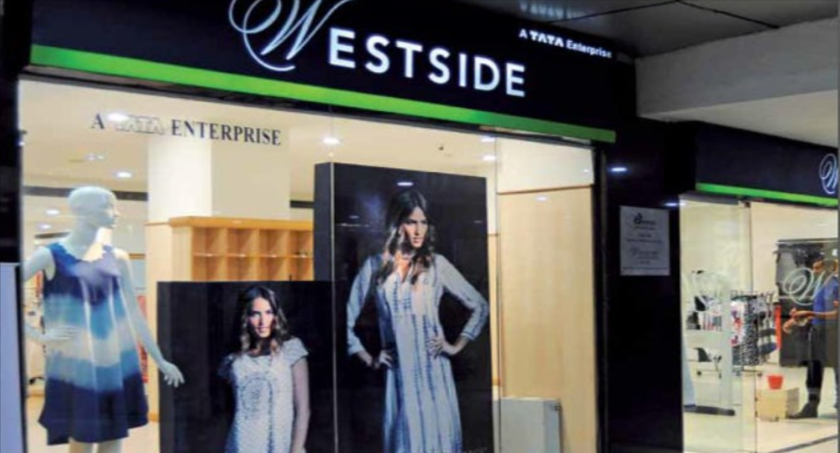
- Meanwhile, Trent is focusing its own growth energy on its wholly Indian-owned brands — Westside and Zudio — which have been expanding far more aggressively than the Zara JV.
FAQ
Is Zara owned by Tata or Ratan Tata?
No. Zara is owned by Spain’s Inditex Group, founded by Amancio Ortega. Tata’s Trent Limited is only a minority JV partner for the Indian retail operations — it does not own the Zara brand.
Who really controls Zara in India?
Inditex. Even in the joint venture structure, Inditex has always held the majority stake and full control over brand, design, and merchandising decisions; Trent’s role is described by Trent itself as a financial investment.
Is Zara considered a luxury/premium brand in India?
Yes, unusually — while it’s “fast fashion” globally, in India it’s priced and perceived as a premium brand.
Does Trent own any part of Zara globally?
No, only through the India-specific joint venture entity, and even that stake is shrinking as Inditex buys it out.
Who currently leads Inditex?
Marta Ortega, daughter of founder Amancio Ortega, is the current non-executive chairperson, with Óscar García Maceiras as CEO.