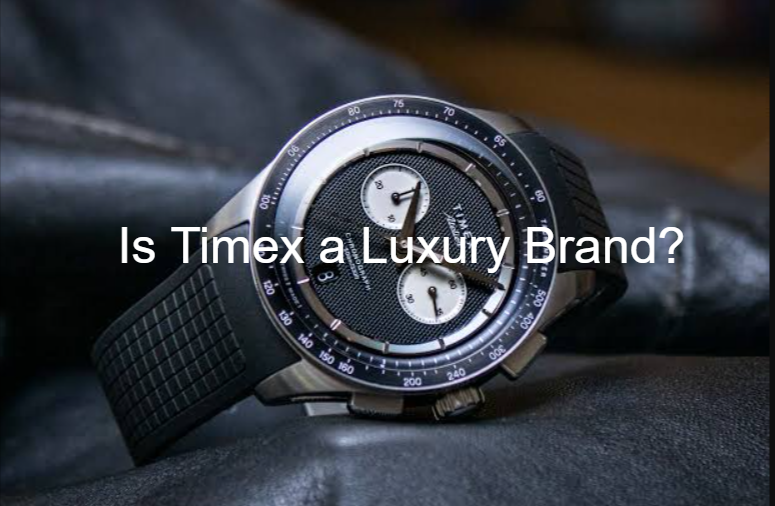
Timex is not a luxury brand. It is a heritage American watchmaker known for affordable, durable, good-looking watches that most people can buy without a second thought. Its slogan about taking a licking and keeping on ticking made it famous, and its reputation rests on reliability and value rather than exclusivity or prestige.
That does not make Timex a low-end brand. It sits in the accessible, mass-market segment and has recently pushed upward with heritage reissues and designer collaborations. Still, its identity, pricing and distribution place it firmly outside luxury.
Timex Overview
| Feature | Details |
|---|---|
| Origins | Roots in the Waterbury Clock Company, Connecticut, 1854 |
| Category | Wristwatches (quartz, automatic and smart-hybrid) |
| Typical price range | Roughly budget to mid-range, with a few higher-priced special editions |
| Distribution | Mass: department stores, online retailers, own stores, big chains |
| Target audience | Everyday buyers, students, outdoor users, vintage-style fans |
| Famous lines | Weekender, Marlin, Expedition, Ironman, Easy Reader |
| Core strengths | Durability, value, heritage, Indiglo night-light |
| Luxury status | No, accessible mass-market |
What Defines a Luxury Brand?
Luxury is more than an expensive price tag. Analysts usually look for a combination of these traits:
- Exclusivity and scarcity: Limited production and controlled distribution.
- Premium pricing: Prices that reflect status, not just materials.
- Exceptional craftsmanship: Hand-finishing, in-house movements and precious materials.
- Heritage and prestige: A strong narrative tied to status and collectability.
- Elevated experience: Boutique retail, personal service and refined packaging.
- Investment or heirloom value: Watches that hold or gain value over time.
In watches, the clearest luxury names are Rolex, Patek Philippe, Audemars Piguet and Cartier. They combine mechanical mastery, scarcity and long-term value. Timex meets very few of these criteria. It has heritage, but not scarcity, high pricing or artisanal production.
Pricing and Quality Comparison
Timex competes on value for money. Most of its watches cost a small fraction of what entry-level luxury watches do, and many are priced below popular mid-range brands.
| Segment | Example brands | Typical price level | What buyers pay for |
|---|---|---|---|
| Budget | Casio basics, Fossil entry lines | Low | Function and affordability |
| Accessible / mass-market | Timex, Casio, Seiko 5 | Low to mid | Reliability and style |
| Mid-range / premium | Tissot, Hamilton, Citizen | Mid to upper-mid | Better movements and finishing |
| Luxury | Rolex, Omega, Cartier | High to very high | Craftsmanship, prestige, resale value |
Quality:
Timex builds tough, dependable watches. Typical features include scratch-resistant crystals on some models, water resistance, Indiglo backlighting and solid case construction for the price. Many models use quartz movements, and some newer lines such as the Marlin use automatic or hand-wound movements.
For the price, quality is strong. But luxury quality means in-house movements, fine hand finishing, precious metals or sapphire throughout, and long-term serviceability. Timex is designed to be practical and replaceable, not to be handed down as an heirloom.
Market Positioning
Timex positions itself around authenticity, durability and approachable style. Its strategy rests on a few pillars:
- Heritage storytelling: Reissues of classic designs lean on its long American watchmaking history.
- Everyday accessibility: Wide availability in malls, department stores and online keeps prices low.
- Collaborations: Partnerships with fashion and lifestyle labels, plus pop-culture tie-ins, add buzz and occasionally higher price points.
- Sport and outdoor use: Rugged lines like Expedition and Ironman appeal to active customers.
Timex also sits within a wider group that produces watches under licence for other fashion labels, which shows its strength is manufacturing and distribution at scale rather than exclusivity.
Its closest competitors are Casio, Seiko’s entry lines, Fossil and Citizen. Luxury houses play in a different arena entirely.
Why the confusion?
Some Timex collaborations and heritage models look refined and cost more than standard lines. Good design and retro appeal can make a watch feel premium. But premium styling at a fair price is not the same as luxury. Luxury depends on scarcity, status and craftsmanship, not on looks alone.
Frequently Asked Questions
Is Timex a luxury watch brand?
No. Timex is an accessible, mass-market brand known for affordable, durable watches.
Is Timex good quality?
Yes, for its price. Timex watches are known for reliability, water resistance and long-lasting everyday performance.
Is Timex better than Casio?
They serve different tastes. Timex leans on classic and heritage styling, while Casio is known for digital features and rugged utility. Both are value-focused.
Why do some Timex watches cost more?
Special editions, collaborations and automatic or mechanical models can carry higher prices than standard quartz lines.
Is Timex a good gift?
Yes. It offers dependable quality and recognisable style at a reasonable price.
Is Timex considered premium?
Many people see it as a trusted, good-value brand with some premium-looking models, but not as a luxury or status brand.
Will a Timex watch hold its value?
Generally no. Most Timex watches are bought to be worn and enjoyed, not as investments.
Final Verdict
Timex is a respected, reliable and stylish brand, but it is not a luxury watchmaker. Its strength is delivering honest quality and classic design at prices that nearly everyone can afford. If you want status, heirloom craftsmanship and investment value, look to Swiss luxury houses. If you want a dependable watch with real character and great value, Timex delivers.